



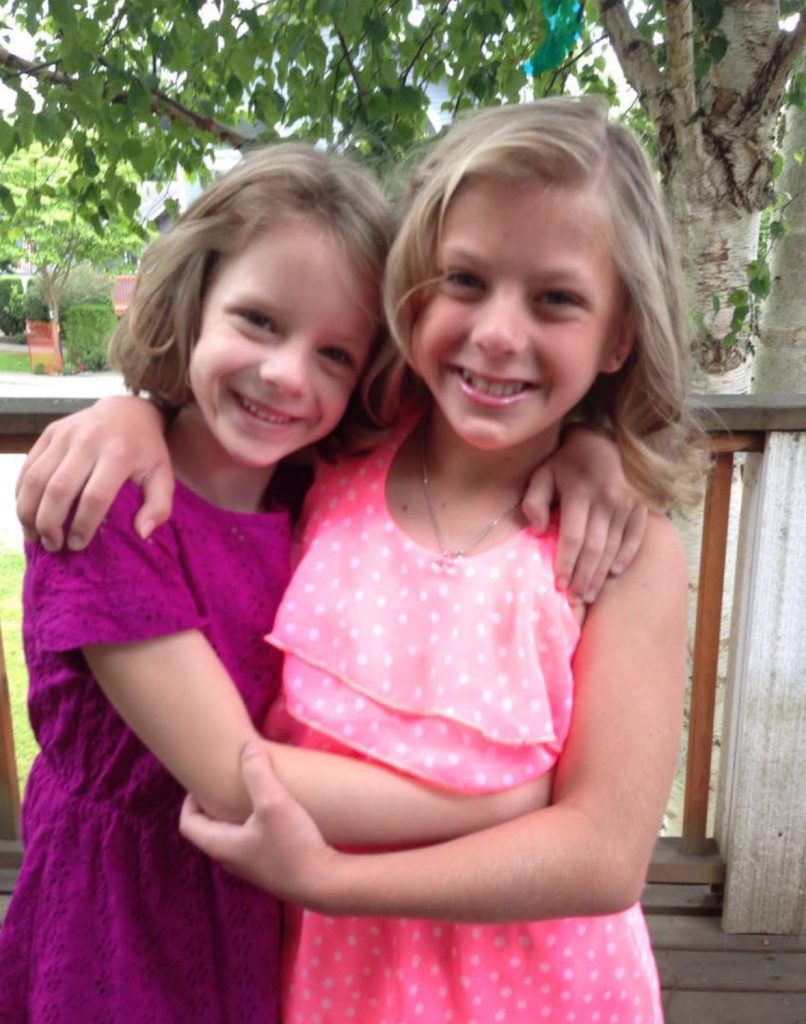
Growing up, I faced a wide range of unexplained health issues, struggling to keep food down, low muscle tone, speech delays, frequent gastrointestinal issues, and hearing loss. This was difficult for my parents, and even more frustrating because doctors couldn’t figure out why it was happening. When I was thirteen, my pediatrician noticed I had stopped hitting developmental milestones. She ordered a karyotype test—a way of mapping chromosomes—and soon after, while my family was on vacation, we got the call: I have Turner syndrome (TS).
The diagnosis brought a wave of emotions. My family was facing fear of the unknown. What is Turner syndrome? What did this mean for my future? However, it also brought a sense of clarity because we suddenly had an explanation for all the health issues I had been facing.
Social and Academic Challenges
As a teenager and into young adulthood, I struggled both socially and academically. Making connections with peers was difficult, and I often felt like I didn’t quite fit in. I kept people at arm’s length, which only made me feel more isolated. Many times, I was left out of plans and had to cope with the loneliness that followed. My parents felt my pain too, as I would often come to them in tears. While I’ve grown and improved in this area, those patterns are still something I continue to work on. Read More: Social Skills Development in Turner Syndrome
Academics came with their own hurdles. I processed information differently than my peers, which affected my performance in school. In seventh grade, I remember not finishing an exam and receiving a D because my teacher wouldn’t allow me extra time. Later, after being evaluated at the hospital, I was granted accommodations. With that support, my grades transformed. Suddenly, I was able to finish exams and start earning A’s and B’s. Read More: Understanding the Cognitive Profile of Girls with Turner Syndrome.
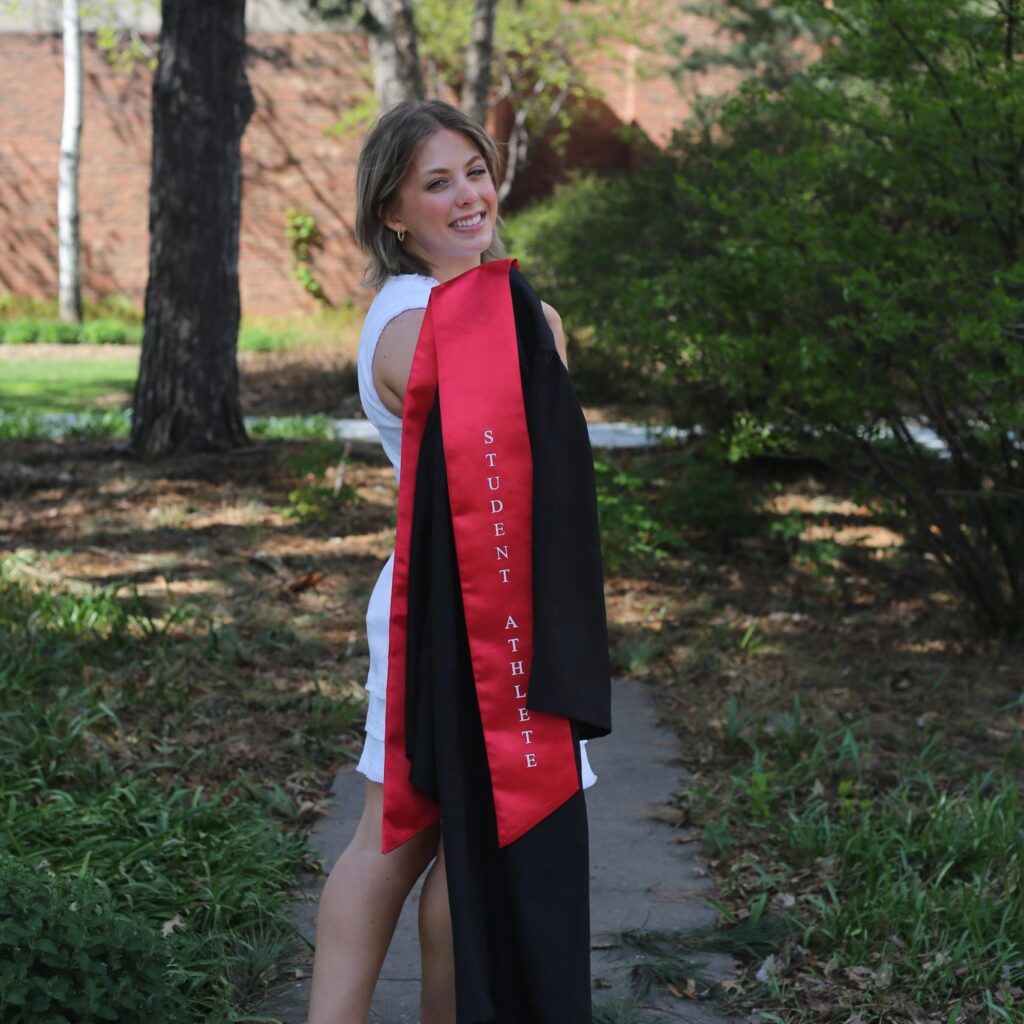
Finding Belonging in Gymnastics
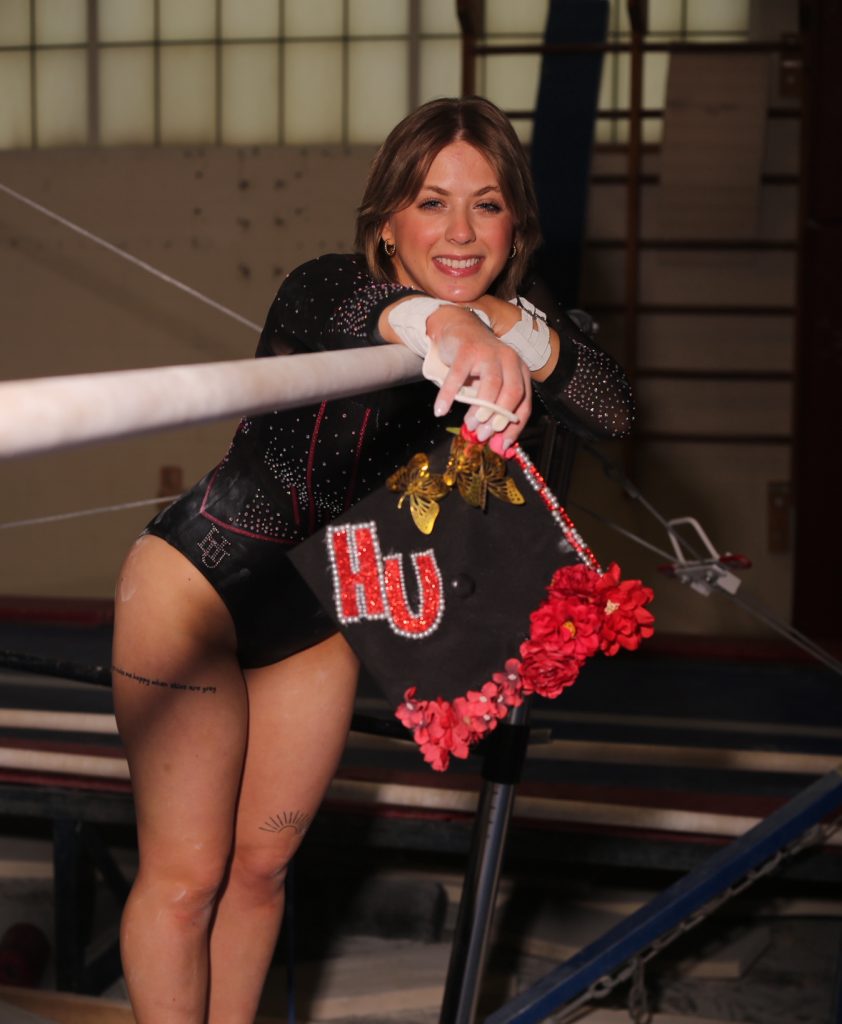
While I struggled socially at school, I found belonging in gymnastics. I was a competitive gymnast for nearly fifteen years, and the sport became my second home. Gymnastics taught me resilience, dedication, and hard work. Most importantly, it gave me a way to connect with others who shared the same passion.
Because I dedicated so much of my time to the sport, I wasn’t as involved in school events, but that sacrifice paid off and I was able to compete at the collegiate level. Looking back, I’m incredibly grateful for the opportunities gymnastics gave me. Though I’m still learning to define myself outside of the sport, I wouldn’t trade those experiences for anything.
A Pivotal Moment
One moment that shaped my journey happened during an appointment with my endocrinologist. I was asked if I’d be willing to talk with a newly diagnosed family to help ease their fears. I was eager, but the family declined because they were still too overwhelmed. That interaction stayed with me. I knew exactly what they were feeling—the fear of the unknown—and I wanted to be someone who could help families like mine find comfort and hope.
That moment flipped a switch for me.
Turning Challenges Into Advocacy
Living with Turner syndrome isn’t easy, but I’ve chosen to turn my experiences into advocacy. I’ve shared my story through the Turner Syndrome Foundation and supported others as a volunteer with the Crisis Text Line. My hope is to help people who feel unseen, isolated, or misunderstood.
TS is a part of me, but it doesn’t define me. If my story can help even one person feel less alone or more empowered, then sharing it is worthwhile.
Today, as I work toward my dream of becoming a genetic counselor, I carry the lessons that living with TS has taught me: resilience, empathy, and the belief that challenges can be transformed into strengths.
Caledonia Norton, TSF Volunteer Blog Writer. Designed by Delvis Rodriguez, Digital Marketing Coordinator
© Turner Syndrome Foundation, 2025