



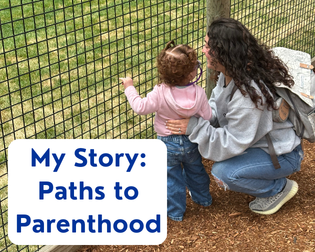
For many women with Turner syndrome (TS), conversations around fertility and parenthood can feel complex, uncertain, or even discouraging. While infertility is common in women with TS, it does not have to prevent them from pursuing parenthood or meaningful caregiving roles, if they choose to, in ways that align with their health, values, and calling.
In this article, three women with Turner syndrome share their personal journeys. Each story reflects a different path to parenthood and purpose: natural pregnancy, bonus motherhood and adoption, and embracing the role of aunt and advocate. Together, their experiences remind us that there is no single definition of family, and no one way to live a full and meaningful life.
Natural Birth and Turner Syndrome: Understanding the Risks
Pregnancy in women with Turner syndrome carries increased medical risks, particularly related to cardiovascular health. For this reason, it is essential that women with TS seek thorough medical evaluation and clearance before attempting pregnancy and receive close monitoring throughout. While natural conception is rare, it can be possible in carefully selected cases when supported by specialized care teams. Selena’s story highlights the importance of medical advocacy, informed decision-making, and attentive monitoring.
Selena’s Story: Navigating Pregnancy with Turner Syndrome
My TS Diagnosis
My diagnosis with Turner syndrome came because my mom fought for answers when she noticed how small I was compared to other children. That early advocacy shaped my life in many ways. Growing up with TS challenged me to push beyond limitations I was told I might have. I worked harder in school, became a medical assistant, and returned to school to continue building a career in healthcare.
Family Planning & Preparing for Pregnancy

When my partner and I began thinking about starting a family, I knew it was essential to approach pregnancy carefully. I met with a genetic specialist and an infertility clinic with the original plan of freezing embryos and implanting one when we were ready. My care team explained the possible genetic outcomes and helped us understand the risks involved.
I also met with an infertility specialist who reviewed my cardiac history. I have a ductus arteriosus and had a cardiac catheterization in 2009. I was told that the physical stress of pregnancy could place serious strain on my heart and, in a worst-case scenario, could lead to a life-threatening rupture if not treated immediately. Because of these risks, we discussed alternatives such as surrogacy or limiting pregnancy to one child. I knew surrogacy wasn’t the path I wanted to take.
After cardiac imaging showed no concerning changes, my doctor recommended a hysterosalpingography. As part of the preparation, I took a pregnancy test, and to our surprise, it was positive.
My Pregnancy Journey

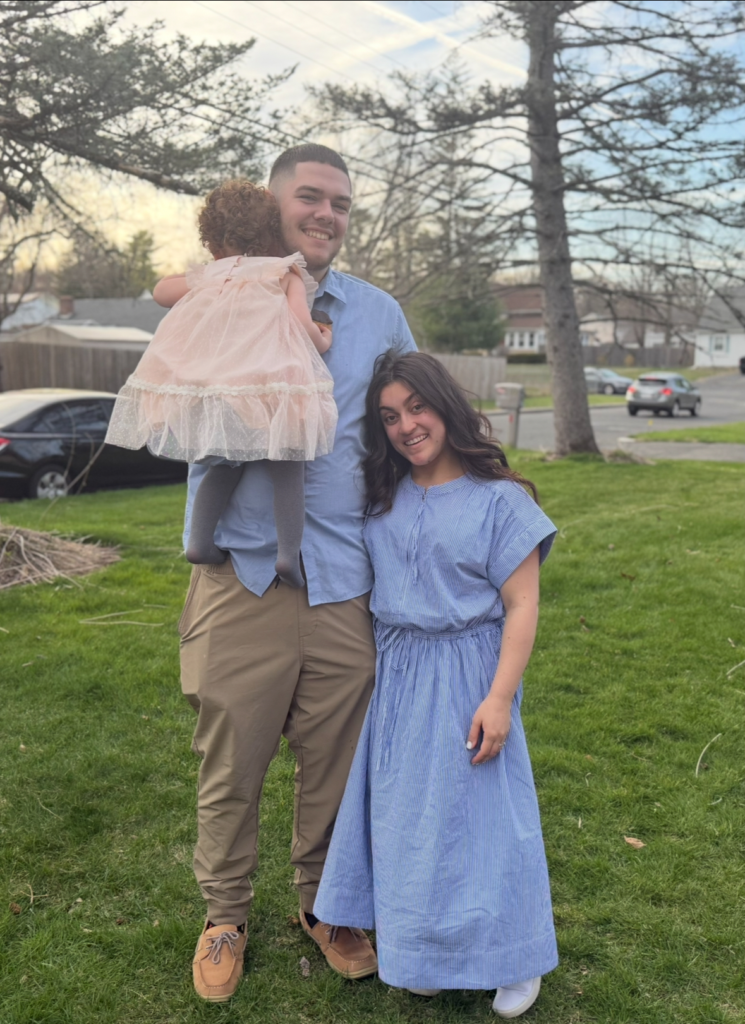
For the first 20 weeks of my pregnancy, I was followed by my regular OB. As my care needs became clearer, I transferred to a high-risk clinic and began seeing maternal-fetal medicine specialists twice a week. One visit included an ultrasound and a consultation with a nurse practitioner, and the other focused on close monitoring and follow-up care.
Later in my pregnancy, I developed preeclampsia, which required frequent blood work and blood pressure monitoring. I also had an echocardiogram to ensure there were no changes in my heart, and thankfully, the results were normal.
A follow-up echocardiogram after pregnancy also showed no changes. Due to preeclampsia, we scheduled an induction at 37 weeks, which ultimately resulted in a cesarean section when my daughter did not tolerate contractions and her heart rate began to drop.
Looking back, the most important factor in supporting my health throughout pregnancy was having a medical team that was attentive, knowledgeable, and supportive. My nurse practitioner truly cared and made sure every concern I had was addressed. I wasn’t on any medications during pregnancy other than a prenatal, and thanks to the care I received, my daughter and I were both safe and healthy.
Today, I am most proud of becoming a wife and a mom. My family is my greatest accomplishment, and my journey has shown me that while pregnancy with Turner syndrome requires careful planning and specialized care, advocacy, support, and faith can make all the difference.
Victoria’s Story: Becoming a Bonus Mom and Trusting God’s Timing
My TS Diagnosis

I was diagnosed with Turner syndrome at 12 years old during a routine sports physical. My dad had mentioned that I was shorter than my peers, which led to genetic testing and confirmation of TS. Before starting hormone therapy, I was required to see a cardiologist, and that appointment changed everything. Doctors discovered an aneurysm the size of a golf ball on my heart and a leaking aortic valve. I underwent my first open-heart surgery at just 12 years old, and years later, at age 30, I had my second open-heart surgery.
Coping with Infertility
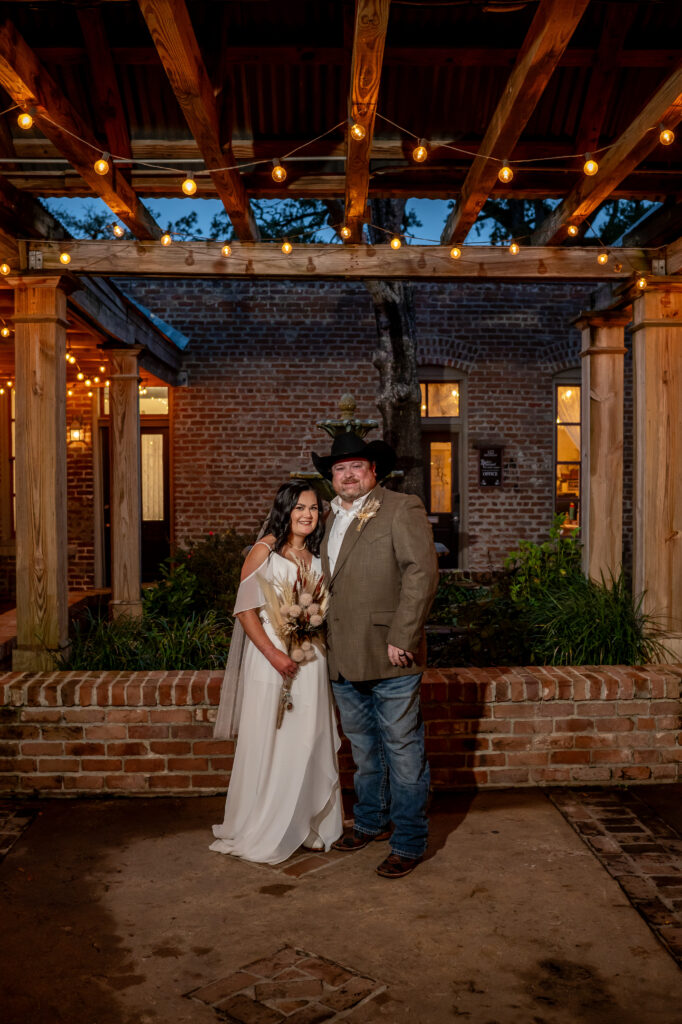
Living with Turner syndrome has impacted every aspect of my life—physically, emotionally, and mentally. One of the hardest realities to come to terms with was the loss of my dream of having a biological child with my husband. Conversations about fertility have been a roller coaster of emotions, filled with real, raw, and honest dialogue. Through prayer and coming together, we’ve learned to trust that in God’s timing, I will be a mother. We believe His will and His timing are leading us toward adoption or fostering to adopt, and we hold onto that hope.
I am also a bonus mom to my stepson, who is now 12 years old. I met him when he was 8, and while he lives primarily with his mom, navigating the co-parenting dynamic has not always been easy. Still, through faith and patience, we trust that everything will work out as it should. I support my husband the best I can, and what matters most is that my stepson knows he is loved.
Reframing Motherhood
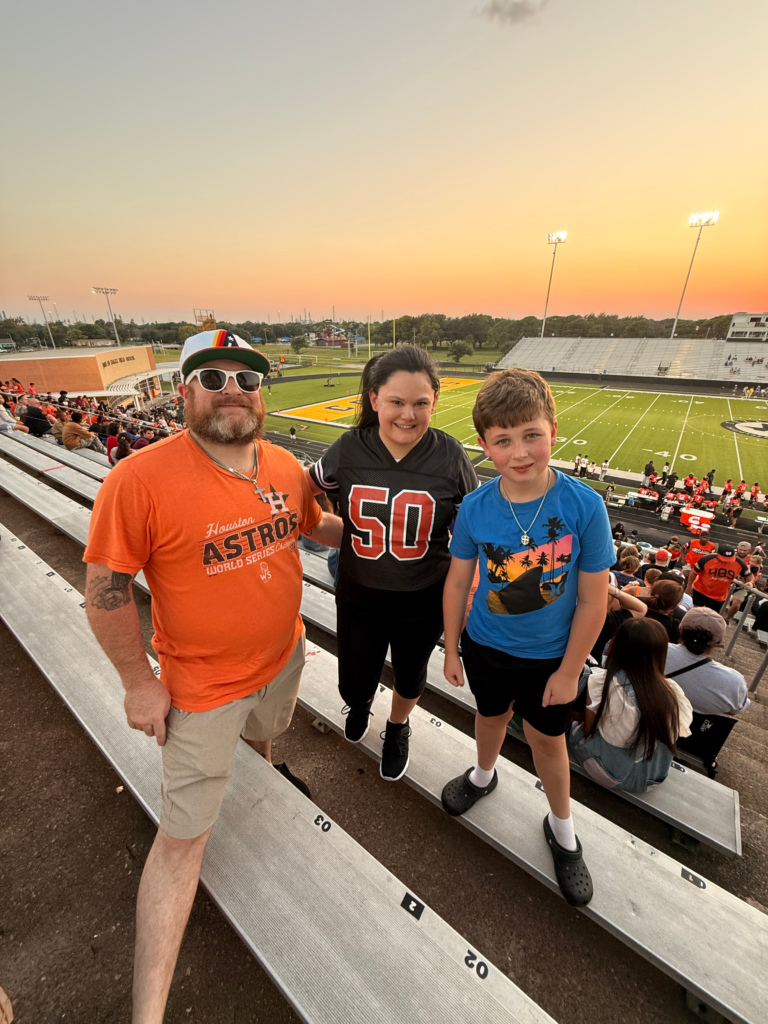
Over the years, managing hormone regulation, navigating medical care as an adult, and learning to cope with loss have required strength and support. Through my faith, therapy, and a strong support system, I’ve learned that talking things out is better than bottling up emotions. I’m proud of how far I’ve come—from surviving two open-heart surgeries to graduating high school and college, getting married, and building a loving family that includes not only my stepson but our fur babies as well.
Motherhood may not look the way I once imagined, but Turner syndrome has taught me that love, family, and purpose can take many forms, and each one is meaningful.
Sarah’s Story: Finding Purpose as an Aunt and Advocate
My TS Diagnosis
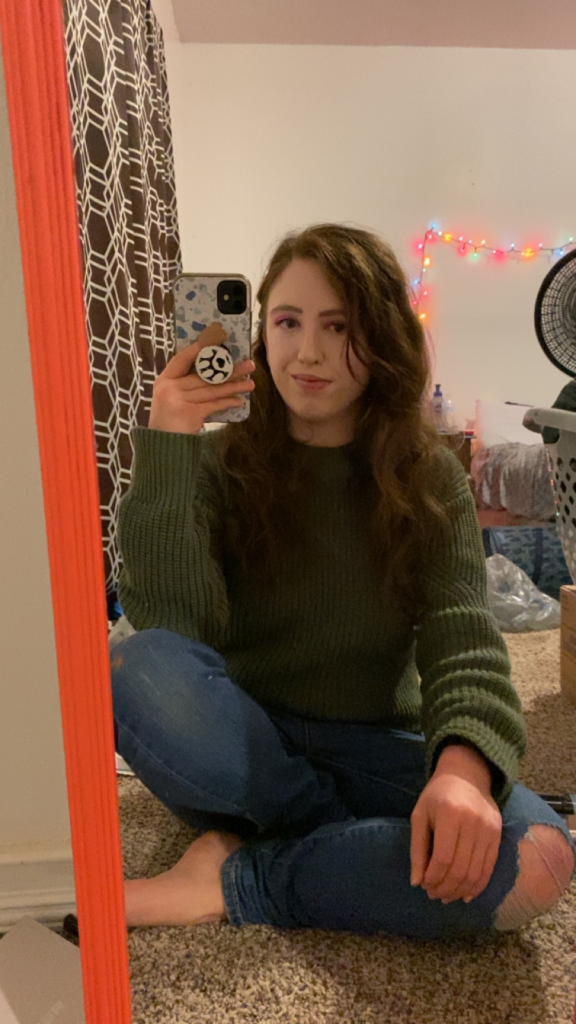
I was diagnosed with Turner syndrome when I was 16 years old. After turning 16, I noticed that I still hadn’t started my period. My mom thought I might just be a late bloomer, but deep down I knew something was different. I went to a local urgent care, where blood work was done, and that’s when I learned I had Turner syndrome.
Living with TS has impacted nearly every part of my life. Physically, I am 4 feet 10 inches tall, and because my diagnosis came later, I wasn’t on growth hormone for very long. While it helped some, I still faced limitations. I also have fragile bones and other medical concerns that prevented me from pursuing my dream of becoming a professional wrestler. I require hormone therapy, including an estrogen patch, and I have heart conditions that may require surgery in the future.
Emotionally and mentally, Turner syndrome has been deeply challenging. Growing up, I was bullied because of my appearance, which contributed to anxiety, depression, and long-standing struggles with self-esteem. Over time, I’ve worked to accept that being different does not make me less—it makes me who I am.
Accessing medical care was not always easy. I live in a small town where Turner syndrome was not widely known, and for several years I had to travel out of state to Cincinnati Children’s Hospital for specialized care. That experience showed me how important education and awareness are, especially in smaller communities. I believe early diagnosis and better education for medical providers could change outcomes for so many girls with TS.
Finding Meaning in Caregiving
One of the greatest joys in my life is being an aunt to my two nieces, Alice and Aurora. Being part of their lives means more to me than I can put into words. I’m proud of showing up each day, doing things people don’t always expect me to do, and proving to myself that I am capable and strong. I’m also passionate about advocating for animals and helping those who don’t have a voice.
I don’t know exactly what the future holds, but I hope to continue spreading awareness about Turner syndrome and encouraging compassion wherever I can. My life may not look like what I once imagined, but I’ve learned that purpose isn’t limited to one path. It’s found in caring deeply, advocating boldly, and choosing to do good in the world.
Different Paths, Shared Purpose: Three Women with Turner Syndrome Redefine Parenthood
These three stories reflect different journeys, but they share a common truth: women with Turner syndrome are not defined by limitation. Whether through pregnancy, bonus motherhood, adoption, or nurturing roles beyond traditional parenthood, purpose and love can be lived out in many ways. Each path is valid, meaningful, and worthy of being honored.
Resources