







One of the many struggles women with Turner syndrome and their families can face is a lack of understanding of the condition. This can include their own lack of understanding, or in more common cases, a lack of understanding by medical professionals, teachers, and the general public.
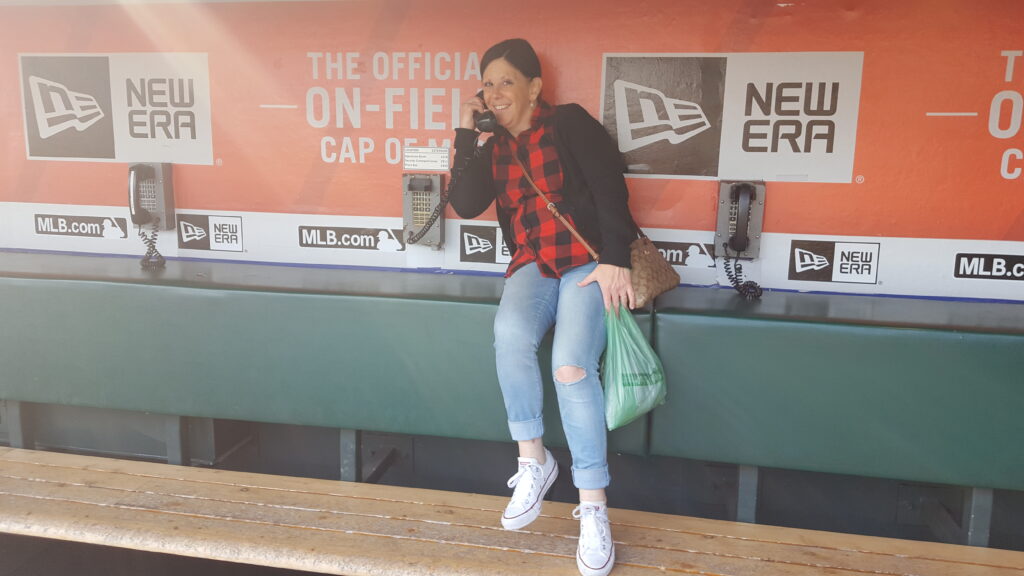
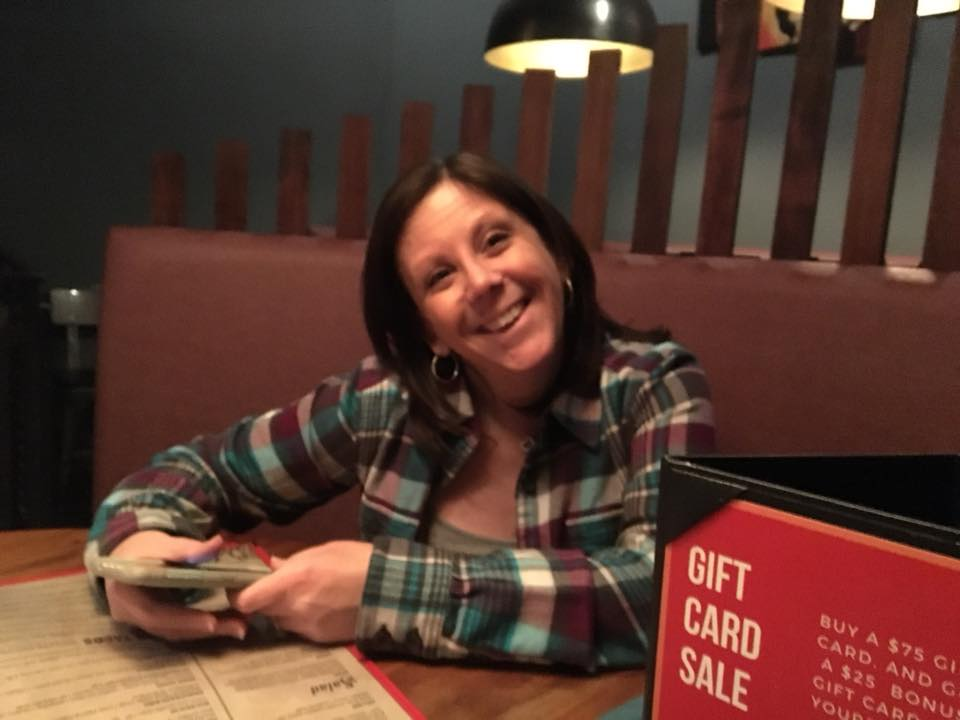
Many get involved with the Turner Syndrome Foundation because they have been affected by these gaps in understanding and take it upon themselves to spread awareness. One of the Foundation’s newest board members, Mike McDowell, Trustee, Data Management, has such a story, and we are grateful to have him involved in our mission in honor of his late wife, Jennifer.
“I met Jennifer in June of 2012. After a couple weeks of dating, Jennifer sat me down and told me she had Turner syndrome,” says Mike. “My response was to ask her what Turner syndrome was. I quickly realized that I was not alone in having never heard of Turners before, and it was not a diagnosis well known to the general public.”
Throughout the following 6 years of their relationship with 3 of the years being married, Mike learned more about Turner syndrome’s symptoms, the risks, and what he could do to help support Jennifer through the challenges.
Mike says, “Jennifer had always taken her diagnosis seriously and made sure to do what she could to stay updated on any new information and research regarding Turner Syndrome, and I did what I could as well.
At our 3rd year of being married however, Jennifer began to experience some severe chest pains. At first she tried going into work, but after a while decided she needed to be seen by a doctor, so we went together and informed them of her diagnosis and that various heart problems and conditions are a big concern with Turner syndrome.”
After running some tests, the doctor concluded it was just a case of some gas and prescribed her some medication. The pain, however, didn’t go away. After going to her primary care provider, they advised her to go to the emergency room for further testing.
The emergency room also concluded it was a case of gas, even after being advised Jennifer had Turner syndrome. Jennifer ended up passing away the following day from aortic dissection, a rare but life-threatening condition that is more common in the Turner syndrome population.
Had the doctors been aware of Turner syndrome and the cardiovascular risks, they may have completed the proper testing and Jennifer’s life could have been saved.
When Jennifer was born and throughout her youth, there wasn’t an organized outlet of support like the Turner Syndrome Foundation. “With the lack of knowledge among the general public and the health care sector, we had to do a lot of the research on our own and do what we could to advocate for her,” Mike says.
He continues, “After her passing, I found support and help through therapy and among certain sub-chats and widower forums, but these chat forums were difficult to locate as I had to search through broader forums to locate them.”
Mike explains that following Jennifer’s death, “It took awhile of grieving and therapy, but after ‘finding myself again’ I decided I wanted to do something to help keep Jennifer’s memory alive and do something she herself enjoyed doing, which was helping and educating people.”
As a Board Member, Mike wants to “help build resources and awareness to empower women and girls with Turners and their families to advocate for themselves, especially in health care.”
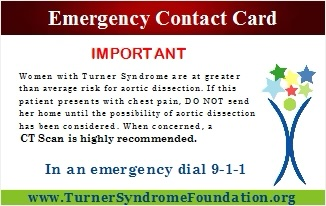
After Jennifer’s passing, Mike found the Emergency Contact Cards that TSF offers, which can be provided to ER doctors and nurses to indicate the importance of taking chest pain seriously. The card instructs doctors not to send a woman or girl with TS home without ruling out aortic dissection, and strongly encourages CT Scan.
Mike says that is primary goal is to “Build on resources like these and help spread awareness so that doctors will come closer to having as similar of an understanding of TS as they do conditions like diabetes.”
Mike’s parting advice for those affected by Turner syndrome is this: “I would always advise women and family members to girls with Turner syndrome to be their own advocates.
Don’t be afraid to do your own research, bring what you find to your doctors, and don’t always assume they’ll automatically connect the dots. Also, keep up to date on your health with the advised testing and monitoring, as Turner syndrome doesn’t always affect women and girls the same.”
Written by Brooke Caron, designed by Gerely Caba.
© Turner Syndrome Foundation, 2026
Subscribe to our Newsletter

Thank you so much Mike for sharing your painful story of what happened to Jennifer! It is so important that doctors are aware of the many different ways that TS can affect females!