



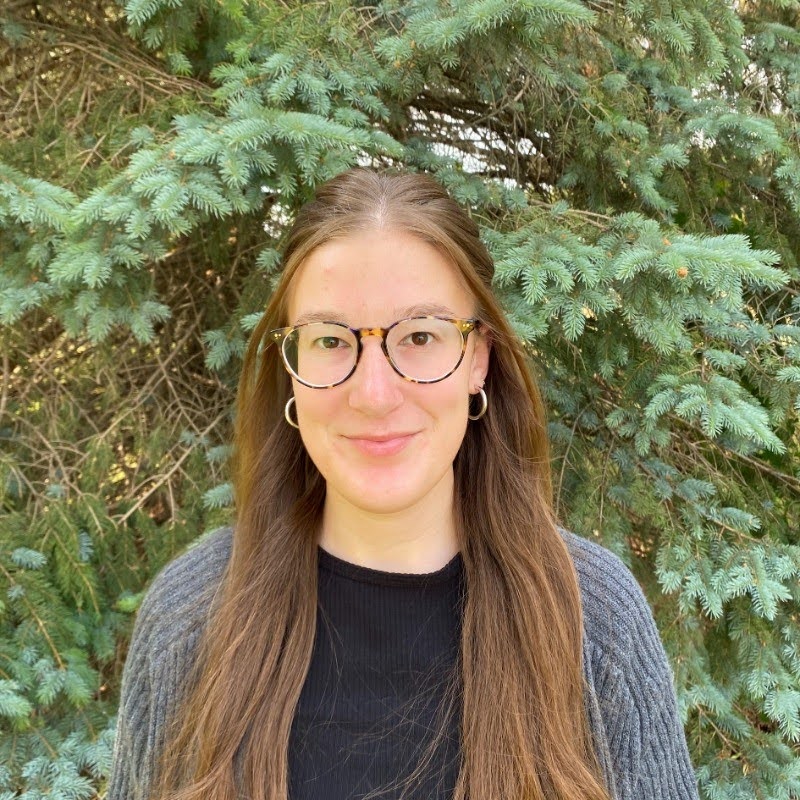
Girls and women with Turner Syndrome (TS) face unique cognitive, emotional, and educational challenges that are often underrecognized, yet highly addressable with the right support. In the Turner Syndrome Foundation webinar: Psychosocial & Educational Considerations for Turner Syndrome, Mackenzie Norman, PhD., walked families, educators, and providers through the latest research and real-world strategies for improving outcomes in school and beyond.
Here’s a Q&A-style summary covering key takeaways from the presentation and audience questions.
Q: What are the most common cognitive challenges for girls with Turner Syndrome?
A: Many individuals with TS demonstrate relative strengths in verbal reasoning, vocabulary, and verbal expression. However, they often experience difficulties in:
- Visual-spatial processing
- Math (especially applied problem-solving and calculation)
- Executive functioning (e.g., organization, planning, task initiation)
- Processing speed, which can impact test performance and classroom participation
These challenges aren’t tied to overall intelligence, they reflect a specific cognitive profile that benefits from strategic support like extra time, visual aids, and step-by-step instruction.
Q: Is ADHD common in Turner Syndrome?
A: Yes. Studies suggest that up to 25% of girls with TS may meet the criteria for ADHD, a rate higher than in the general population.
Q: What are the social skill challenges faced by individuals with TS?
A: Social difficulties are common and often increase with age. Girls and women with TS may struggle to:
- Interpret social cues (e.g., facial expressions, tone of voice)
- Enter or exit conversations appropriately
- Keep up with evolving peer dynamics
- Maintain friendships or initiate romantic relationships
Despite these challenges, research shows that social motivation remains high, meaning these individuals want connection but may not know how to achieve it, which can lead to frustration and isolation.
Q: How does anxiety affect girls with TS?
A: Anxiety is one of the most prevalent psychosocial issues in TS, with a lifetime prevalence of up to 52%. The most common forms include:
- Social anxiety
- Generalized anxiety
- Specific phobias
- Obsessive-compulsive traits
Q: Are there effective school-based interventions to support social and emotional needs?
A: Yes! Two of the most promising interventions include PEERS® (Program for the Education and Enrichment of Relational Skills) and SASS (Skills for Social and Academic Success). Studies show both programs significantly improve social knowledge, peer interaction, and confidence.
The PEERS program has versions for college students and adults, including modules on dating and romantic relationships. Therapy, especially with providers trained in CBT and exposure-based strategies, can also be highly effective.
Q: What is the difference between a 504 Plan and an IEP?
A: Both 504 Plans and IEPs (Individualized Education Programs) are designed to support students with disabilities in school, but they differ in purpose, eligibility, and the types of services they provide:
- A 504 Plan is a general education plan that ensures students with a disability have equal access to learning. It provides accommodations like extended time on tests, preferential seating, or modified assignments, but it does not include specialized instruction.
- An IEP, on the other hand, falls under special education law (IDEA) and is for students who need specialized instruction due to a qualifying disability. An IEP outlines specific educational goals and services tailored to the student’s needs (such as speech therapy, learning support, or a modified curriculum).
Q: What are the requirements to qualify for a 504 Plan or IEP?
A: To qualify for a 504 Plan, a student must have a physical or mental impairment that substantially limits one or more major life activities (like learning, concentrating, or communicating). The school team typically uses documentation from doctors, psychologists, or other specialists to determine eligibility.
To qualify for an IEP, a student must meet two criteria:
- The student has a disability that falls under one of the 13 categories defined by the Individuals with Disabilities Education Act (IDEA)—such as specific learning disability, other health impairment (which can include ADHD), or speech/language impairment.
- The disability must adversely affect the student’s educational performance and require specialized instruction.
Many girls with Turner Syndrome do not automatically qualify for an IEP unless they have a co-occurring condition or significant academic challenges. However, they may still benefit from a 504 Plan to address specific needs related to anxiety, executive functioning, hearing loss, or social-emotional skills.
Q: What can schools do if a student with TS doesn’t qualify for an IEP or 504 Plan?
A: This is where the Turner Syndrome School Support Plan comes in. Developed as part of the 2024 Clinical Practice Guidelines, this document:
- Offers psychoeducation about TS to school staff
- Provides a fillable template for identifying student needs
- Recommends strategies and accommodations
- Encourages communication between school and medical teams
It’s especially helpful for students who have internalizing symptoms (like anxiety) that don’t show up as academic failure or behavioral issues, but still affect school success.
Q: How can care teams better coordinate between school, family, and healthcare providers?
A: Research shows that positive outcomes increase when schools, families, and medical professionals collaborate. This is common in conditions like asthma and diabetes, but underutilized in TS.
Strategies include:
- Sharing the Turner Syndrome School Support Plan with the school
- Having school nurses or psychologists connect directly with providers
- Encouraging families to bring educational concerns into medical appointments
To learn more about this topic, view the recording of the webinar: Psychosocial & Educational Considerations for Turner Syndrome presented by Mackenzie Norman, PhD.
Further reading:
Written with information presented in the webinar, Psychosocial & Educational Considerations in Turner Syndrome presented by Mackenzie Norman, PhD, Psychologist Resident in Integrated Primary Care and Behavioral Pediatrics at Oregon Health & Science University. Designed by Delvis Rodriguez, Digital Marketing Coordinator
© Turner Syndrome Foundation, 2025



I really appreciated your insights on the psychosocial considerations for those with Turner Syndrome. It’s so important to recognize how experiences like self-esteem and social interactions can shape one’s life. I remember struggling with confidence in my own journey, similar to what you mentioned about finding supportive friendships. Community is everything! It’s wonderful to see Snow Rider 3D resources that offer understanding and help others navigate these feelings—definitely something I wish was more available when I was younger. Thanks for shedding light on this topic; it resonates way beyond just medical information! ?