




Turner Syndrome (TS) is often discussed in terms of medical needs and physical development, but there are invisible areas of difference that can be just as impactful, one of them being social development. For example, TS patient Sydney, “TS has been more of a mental, social battle mostly. From the different doctors appointments to the social aspect of public school and making friends, there are different challenges for everybody.”
Girls and women with TS desire strong peer relationships, but many experience difficulty navigating social interactions and this can lead to frustration, loneliness, and reduced self-esteem over time.
In this blog, you’ll understand the primary social challenges faced by women and girls with TS and strategies to overcome them.
A Unique Social Profile
Research shows that many individuals with TS experience:
- Difficulty interpreting social cues like facial expressions, tone of voice, or body language
- Challenges initiating or maintaining conversations
- Fewer reported close friendships
- Delayed or reduced romantic relationships in adulthood
These struggles are not due to a lack of interest or desire. In fact, studies have found that girls with TS have social motivation scores similar to typically developing peers, meaning they genuinely want to connect with others. The challenge is that they may lack the skills or confidence to do so successfully.
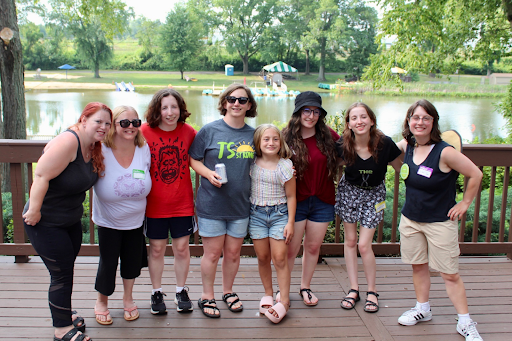
Without intervention, this can lead to increased social anxiety, feelings of isolation, avoidance of peer interactions, and declines in self-esteem and self-concept, especially during adolescence
Understanding the Social Disconnect
One possible explanation for these difficulties is how individuals with TS process social information. For example, a 2006 eye-tracking study found that participants with TS tended to focus more on the mouth than the eyes when interpreting facial expressions. This may lead them to miss subtle cues like sarcasm, emotional shifts, or nonverbal agreement.
Additional studies have shown:
- Girls with TS may struggle with reciprocal conversation
They may find it difficult to read group dynamics - They may experience difficulties with immaturity compared to their peers
- Parents often rate their daughters as having moderate to severe autistic-like traits on scales like the Social Responsiveness Scale (SRS), even if they don’t meet diagnostic criteria for autism
Here are some quotes from individuals with Turner syndrome describing the challenges they have faced socially:
“Ive always loved to talk with people and be around people, but I’ve had anxiety since childhood.” -Georgie
“Turner Syndrome has impacted me socially the most. Being able to speak to people is hard sometimes, but it is just another challenge I have to face.” -Kendra
“Having TS is very mentally draining to be honest. Growing up I was bullied for my appearance and it caused me to have extreme anxiety and depression…this makes it hard to socialize because I’m so insecure of myself.” -Sara
And yet, most girls with TS express a strong interest in participating in social skills programs. They want to improve their relationships. They just need the right support.
Why Social Skills Matter
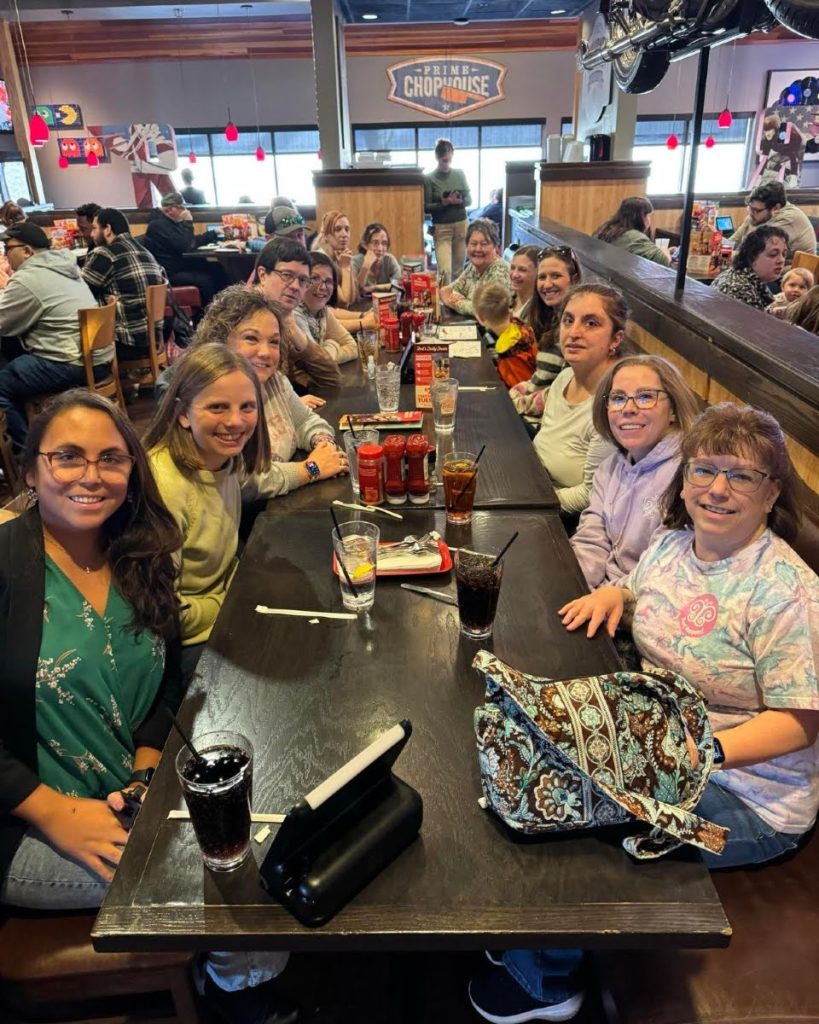
Social skills are not just about making friends. They’re critical to:
- Academic success (working in groups, participating in class)
- Mental health (combating isolation and anxiety)
- Independence (navigating relationships, work, and life as adults)
According to Wolstencroft, J & Skuse, D.H., “Social interaction challenges typically begin adversely to affect quality of life during early adolescence and persist across the lifespan; they are often associated with social isolation. Romantic relationships are infrequent, relative to typical females, and they begin in later life than usual.”
When these skills are left unaddressed, girls with TS can feel like they don’t “fit in” with peers, especially during middle and high school, when social norms become more complex and exclusion becomes more hurtful.
Anxiety in TS
Anxiety is one of the most common psychosocial challenges faced by individuals with TS, with recent studies suggesting that as many as 52% of individuals with TS experience an anxiety or mood disorder in their lifetime.
The most common forms of anxiety in this population include social anxiety disorder, generalized anxiety disorder (GAD), specific phobias, and obsessive-compulsive tendencies.
Here are some firsthand perspectives shared by women with Turner syndrome.
“Turners has impacted me a lot of different ways…I have terrible anxiety and also struggle with OCD. My general Anxiety and medical anxiety has probably been the hardest thing to manage. Realizing I needed the help of medication was a big step.” -Carlee
“I have bad anxiety that affects daily life due to constant worry about being different and wanting to be like anyone else.” -Katrina

TS-related anxiety is somewhat unique in that it is often compounded by other challenges, such as heightened self-consciousness due to physical differences, medical anxiety stemming from frequent doctor visits, and hearing loss which can increase difficulty participating in conversations.
Without intervention, anxiety can become a vicious cycle. The more anxiety is avoided, the stronger it becomes. This is why it is critical to detect and intervene on early.
Practical Strategies for Supporting Social Development
While these challenges are well-documented among the TS community, they are not insurmountable. There are strategies that parents, educators, and clinicians can use to support social skill development in girls with TS. As Maryann says, “Turner syndrome has given me perspective and empathy I would not otherwise have. It caused me to experience bullying in school which was very difficult, but gave me resilience and skills to advocate for myself.”
Here are a few strategies you can use to support girls with TS in developing their social skills:
Creating safe practice spaces
Structured programs or informal groups (e.g., lunch bunches, peer mentor clubs) offer girls the chance to rehearse and receive feedback on social interactions.
Practicing at home
Practice conversations or social scenarios at home through imaginative play and prompts.
Providing explicit instruction
Unlike many peers, girls with TS may not “pick up” social norms intuitively. Direct teaching around conversation skills, reading body language, and understanding humor or sarcasm can be helpful.
Focusing on small groups or 1:1 connections
Girls with TS often feel more comfortable forming deep relationships in small settings. Help them identify classmates or peers with similar interests for low-pressure socializing.
Celebrating effort, not outcome
Rather than focusing on how many friends a child has, celebrate attempts: raising a hand, saying hello, making eye contact, asking someone to join them. These are brave steps.
Identifying triggers
Work with them to identify environments or situations that trigger stress or anxiety, then create a plan to navigate these circumstances.
Coordinating support between home and school
Working with your child’s school to create a plan to collaborate builds consistency for continued progress.
Utilizing research-backed therapies
Treatments such as Cognitive Behavioral Therapy and Exposure and Response Prevention can be effective when personalized and supported by trusted adults, like therapists, parents, and school staff.
Connecting with the TS Community
Many women and girls with TS say that they feel alone or different due to their diagnosis. Finding groups, either locally or online, to connect with others can help. As Elena says, “TS impacted me socially for sure. It made me feel like an outsider, but my mom finally got me connected with a girl with TS and my entire world changed… It made me realize I wasn’t on the outside and that I wasn’t alone.”
TSF offers our online Star Sisters group as a space for TS patients and caregivers to form valuable connections.

To learn more about this topic, view the recording of the webinar: Psychosocial & Educational Considerations for Turner Syndrome presented by Mackenzie Norman, PhD.
Sources
Hong, D. S., Dunkin, B., Reiss, A. L. (2011). Psychosocial functioning and social cognitive processing in girls with Turner syndrome. Journal of Developmental & Behavioral Pediatrics.
D;, Wolstencroft J;Skuse. “Social Skills and Relationships in Turner Syndrome.” Current Opinion in Psychiatry, U.S. National Library of Medicine. Accessed 17 July 2025.
Wolstencroft, Jeanne, et al. Experiences of Social Interaction in Young Women with Turner Syndrome: A Qualitative Study, 12 June 2019.
Hutaff-Lee, Christa, et al. “Clinical Developmental, Neuropsychological, and Social-Emotional Features of Turner Syndrome.” American Journal of Medical Genetics. Part C, Seminars in Medical Genetics, U.S. National Library of Medicine, Mar. 2019.
Written with information presented in the webinar, Psychosocial & Educational Considerations in Turner Syndrome presented by Mackenzie Norman, PhD, Psychologist Resident in Integrated Primary Care and Behavioral Pediatrics at Oregon Health & Science University. Designed by Delvis Rodriguez, Digital Marketing Coordinator
© Turner Syndrome Foundation, 2025



????????????????????TS?????????????????????????????????????????????????????????????Kendra?Sara??????????????????????????????????????????????????????????????????Elena?????????????????????????????????????????????????????speed stars unlock