



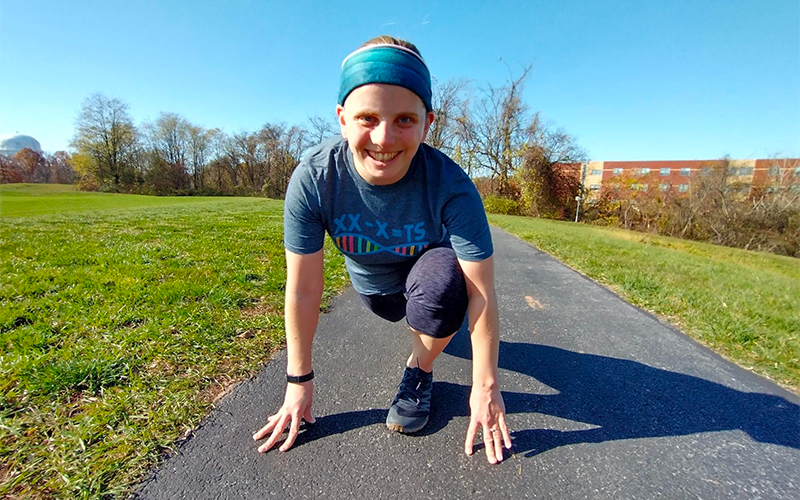

Introducing Mike McDowell: TSF Board Member
One of the many struggles women with Turner syndrome and their families can face is a lack of understanding of the condition. This can include their own lack of understanding, or in more common cases, a lack of understanding by medical professionals, teachers, and the general public. Many get involved with the Turner Syndrome Foundation
Medical Gaps In The Treatment of Adult Women with Turner Syndrome
I am both a retired pediatric endocrinologist and a woman with Turner syndrome (TS). I have been a pediatric endocrinologist since 2000, and enjoy interacting with other girls and women with TS. My personal medical journey and pediatric endocrinology training have given me a unique perspective in the ongoing knowledge of Turner syndrome management. My
My Story: A Mother’s Journey With Turner Syndrome
A Diagnosis That Changed Everything During my pregnancy, I was considered high risk. My amniotic fluid levels were low, and my baby was measuring smaller than expected. The doctors suspected she might be born with a form of dwarfism. I was overwhelmed with fear, uncertainty, and a fierce desire to protect the tiny life inside
An International Perspective from Turner Syndrome Patients
Underscoring our commitment to serve and inform Turner syndrome patients wherever they are located, these are three patient stories and experiences from different geographic locations. These stories from Germany, the United Kingdom, and the United States represent that across the would, many experiences with TS are unique, while there are common threads that connect us
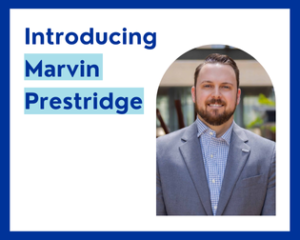
Introducing Marvin Prestridge: TSF Board Member
The Turner Syndrome Foundation is grateful to have the support of many amazing Board Members who are passionate about advancing the cause. We are excited to introduce the newest member of our Board: Marvin Prestridge IV, Trustee Corporate Partnerships! Marvin joins our Board with a personal connection to TS in hopes of bringing awareness to
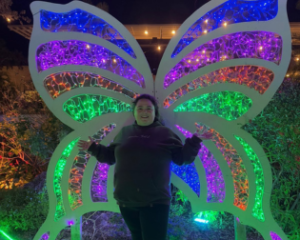
My Story: Living, Learning, and Leading with Turner Syndrome
Getting Diagnosed with Turner Syndrome at 10 Years Old Before my diagnosis at 10 years old I had a fairly typical childhood (and still did even after diagnosis). Aside from frequent ear infections, curled toenails, being a bit colicky as a baby, and growing a little more slowly compared to other children around me my
